

SEO
Digital Marketing
Web Strategy
SEO Ideas That Work With Google
Overview
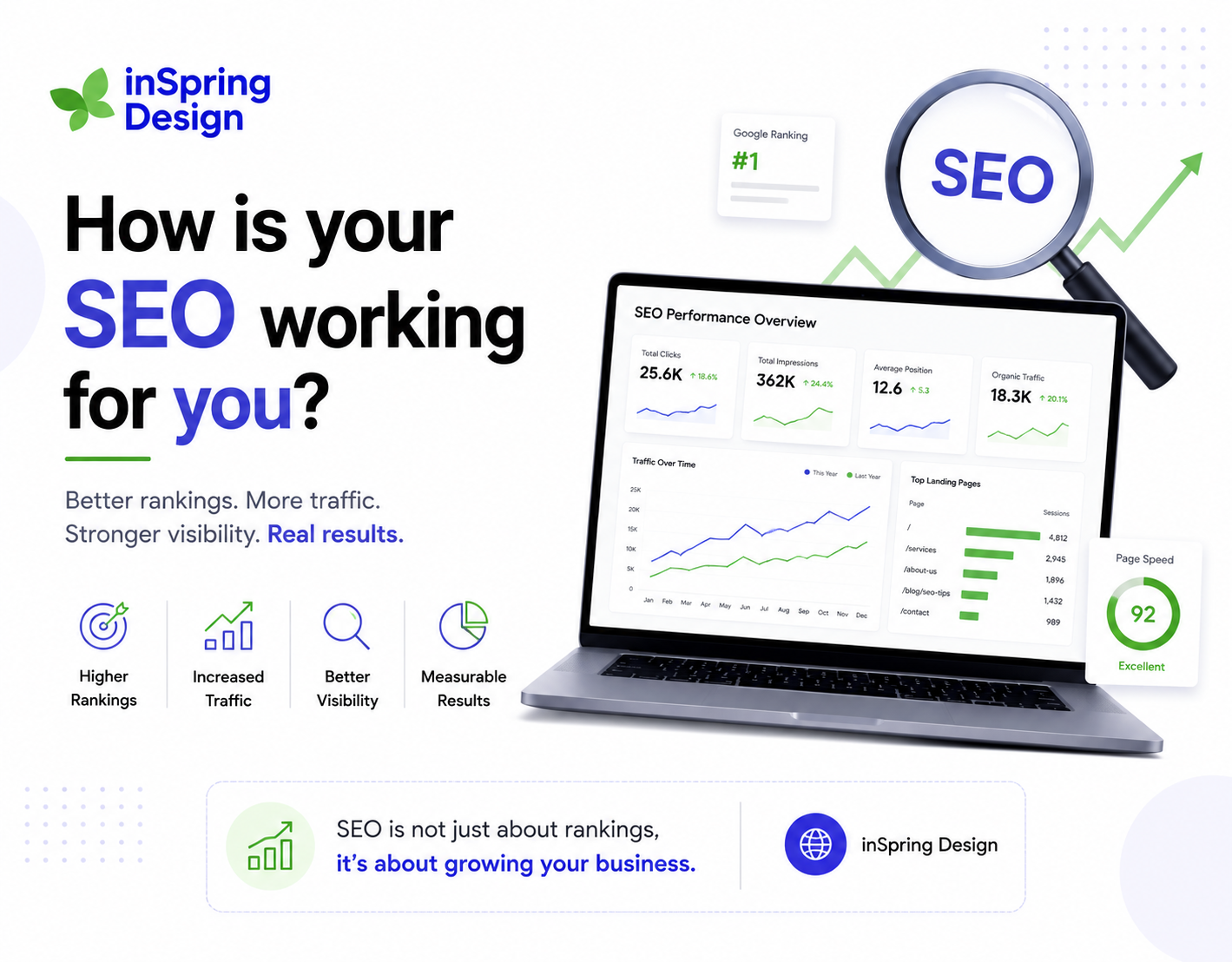
SEO Has Changed — The Goal Is Still the Same
Google Search continues to evolve, but one principle remains important: websites need to provide useful, trustworthy and relevant information to the people searching for it. Modern SEO is no longer simply about adding keywords to pages and waiting for rankings to improve.
Today, successful SEO combines helpful content, strong technical foundations, clear search intent, excellent user experience, internal linking, mobile performance and a website structure that search engines can understand.
If you are building a new website or improving an existing one, the following SEO ideas can help create a stronger foundation for long-term organic visibility.
01 — Start With Search Intent
Understand What People Actually Want to Find
One of the biggest mistakes in SEO is creating content around keywords without understanding why someone is searching for them.
Before creating a page, identify the intent behind the search. Is the visitor looking for information, comparing solutions, trying to make a purchase, or looking for a specific service?
Your content should answer that intent directly. A page targeting a commercial search should make it easy for visitors to understand the service, benefits, process and next steps rather than forcing them through unnecessary information.
02 — Create Helpful, People-First Content
Write for Visitors First, Search Engines Second
Modern search visibility depends heavily on the quality and usefulness of your content. Pages should provide original information, answer real questions and demonstrate a clear understanding of the subject.
Avoid writing long articles simply because longer content appears attractive from an SEO perspective. Instead, cover the topic thoroughly enough to satisfy the visitor and provide useful context where it genuinely helps.
For businesses, this means service pages, landing pages and blog articles should explain what you offer, who it is for, why it matters and what the visitor should do next.


03 — Build Strong On-Page SEO
Make Every Important Page Easy to Understand
On-page SEO helps both visitors and search engines understand the purpose of a page. Your primary topic should be clear from the page title, H1 heading, introduction, subheadings and supporting content.
Use keywords naturally rather than repeating the same phrase unnecessarily. Related terminology, questions, entities and supporting topics can help create a more complete page.
Important pages should also have unique title tags and meta descriptions, descriptive URLs, properly structured headings and useful image alt text.
04 — Improve Website Performance
Speed and User Experience Matter
A website that is difficult or slow to use can negatively affect the overall user experience. Technical SEO therefore needs to be part of the website development process rather than something added after launch.
Pay attention to Core Web Vitals, image optimization, unnecessary JavaScript, CSS delivery, caching and responsive layouts. A technically strong website gives users a smoother experience and makes it easier for search engines to crawl and understand the site.
Our web development approach focuses on building websites that combine performance, functionality and search-friendly architecture.
05 — Make Your Website Mobile-Friendly
Design for the Device Your Visitors Actually Use
Mobile users are an important part of modern search traffic. A responsive website should provide the same core information and functionality across desktop, tablet and mobile devices.
Check navigation, typography, buttons, forms, images and page speed on smaller screens. Visitors should not have to zoom, scroll horizontally or struggle to find important information.
Mobile optimization is particularly important for service businesses where visitors may discover the company through search and immediately want to call, request a quote or submit an enquiry.
06 — Use Internal Linking Strategically
Connect Related Pages Across Your Website
Internal links help visitors discover related information while giving search engines additional context about the relationship between your pages.
Instead of adding links randomly, connect pages that genuinely support each other. For example, an article discussing website performance can naturally link to your Web Development service, while an article about organic visibility can link to your SEO Services.
Use descriptive anchor text and create logical pathways between blog content, service pages and important commercial pages.
07 — Optimize Images
Images Are Part of Your SEO Strategy
Images can improve the experience of a page, but large or poorly optimized files can also slow it down. Use appropriately sized images, modern formats where supported and meaningful filenames.
Alt text should describe useful information about an image when appropriate. Avoid filling alt attributes with keywords simply to influence rankings.
08 — Strengthen Technical SEO
Give Search Engines a Clean Website Structure
Technical SEO covers the infrastructure that allows search engines to crawl, interpret and index your website efficiently.
- Use a logical URL structure
- Maintain a useful XML sitemap
- Check indexing and crawl issues
- Use canonical URLs where appropriate
- Fix broken internal links
- Use HTTPS across the website
- Keep important content accessible to search engines
- Monitor website health regularly
09 — Build Topic Authority
Go Beyond One Keyword
Instead of creating isolated articles around individual keywords, build a collection of useful content around an important subject.
For example, a business offering SEO services could publish content covering keyword research, technical SEO, local SEO, on-page optimization, content strategy, link building and measuring organic performance.
These related pages can be connected through internal links, creating a stronger topical structure for both users and search engines.
10 — Keep Local SEO in Mind
Important for Businesses Serving Specific Locations
If your business serves a specific city, region or service area, local SEO should be part of your strategy.
Keep your business information consistent and create genuinely useful location-focused content. Service-area pages should provide meaningful information rather than simply changing the city name on the same template.
Strong local SEO combines website optimization with business listings, reviews, relevant local signals and content that demonstrates your connection to the area you serve.
11 — Prepare for AI-Powered Search
Search Is Expanding Beyond Traditional Blue Links
Search experiences are increasingly incorporating AI-generated answers and conversational interfaces. This does not make traditional SEO irrelevant; it makes high-quality, clearly structured information even more important.
Businesses should focus on demonstrating expertise, providing direct answers, using clear headings and creating content that can be easily understood and referenced.
Rather than trying to write specifically for an algorithm, build a website that provides genuinely useful answers and establishes the business as a credible source within its industry.
12 — Measure, Test & Improve
SEO Is an Ongoing Process
SEO should not be treated as a one-time website task. Search behaviour, competitors, technology and your own business priorities can change over time.
Use tools such as Google Search Console and analytics platforms to understand which pages are receiving impressions, clicks and conversions.
Review underperforming pages, improve outdated information, strengthen internal links and continue creating content around topics that are valuable to your audience.
Key Takeaways
- Start with search intent instead of keywords alone
- Create useful, original and people-first content
- Optimize titles, headings, URLs and internal links
- Improve speed, mobile usability and Core Web Vitals
- Build topical authority with connected content
- Use internal links to guide visitors and search engines
- Strengthen technical SEO and website architecture
- Consider local SEO when serving specific locations
- Create content that works well in evolving AI search experiences
- Monitor performance and continuously improve your website
Final Thoughts
Google SEO is no longer about finding one trick that guarantees rankings. Sustainable organic growth comes from combining useful content with a technically strong, fast and user-friendly website.
Businesses that consistently understand their audience, answer real questions, improve their websites and build trustworthy digital experiences are better positioned to compete as search continues to evolve.
If your website needs a stronger technical foundation or a more effective organic growth strategy, explore our SEO Services or Web Development solutions.